
Key information to remember
-
Keratosis pilaris manifests as small, rough grains (appearance "chicken skin"), often accentuated by dry skin.
-
On dark to medium skin tones, it frequently leaves hyperpigmentation spots after pore inflammation.
-
The treatment is based on a combination of gentle exfoliation (salicylic acid, PHA) and intense hydration .
-
Using a gentle cleanser and a targeted serum helps to smooth skin texture while correcting pigmentation imperfections.
Quick diagnosis: Is it keratosis pilaris?
| Symptom | Keratosis Pilaris | Acne / Pimples |
| Texture | Rough-textured grains | Relief often inflamed |
| Location | Arms, thighs, buttocks | Face, back, chest |
| Sensation | Dry, rough skin | Sometimes painful or greasy |
| Color | Dark or greyish spots | Redness or white spots |
Keratosis pilaris is a benign skin condition often considered unsightly, particularly when it affects darker skin tones, including olive, mixed-race, and black skin . This phenomenon, sometimes called "chicken skin," is characterized by the appearance of small, rough bumps on the surface of the epidermis. While it poses no health risk, it can become a source of insecurity due to the imperfections and dark spots it leaves behind.
Understanding keratosis pilaris and its specific characteristics on dark skin
Keratosis pilaris is caused by an overproduction of keratin, a natural protein that protects the skin. When this keratin accumulates, it eventually clogs the opening of the hair follicles, creating these small, rigid bumps.
On dark or olive skin , this condition takes on a particular dimension. Unlike on fair skin, where the spots often appear red, they tend to be brown or grayish on skin tones rich in melanin. Furthermore, any inflammation caused by rubbing or scratching these spots can trigger post-inflammatory hyperpigmentation , leaving lasting marks even after the raised areas have disappeared.
Why is Korean skincare effective against this problem?
The philosophy of Korean skincare is based on gentleness and multi-layered hydration. This is exactly what skin suffering from keratosis needs. Rather than stripping the epidermis with harsh scrubs that stimulate keratin production in reaction, the Korean approach favors gentle chemical exfoliation and strengthening the skin barrier.
To effectively treat these imperfections , it is necessary to adopt a routine that targets both clogged pores and radiant skin tone.
The ideal routine for smoothing skin texture
1. Gentle, non-aggressive cleaning
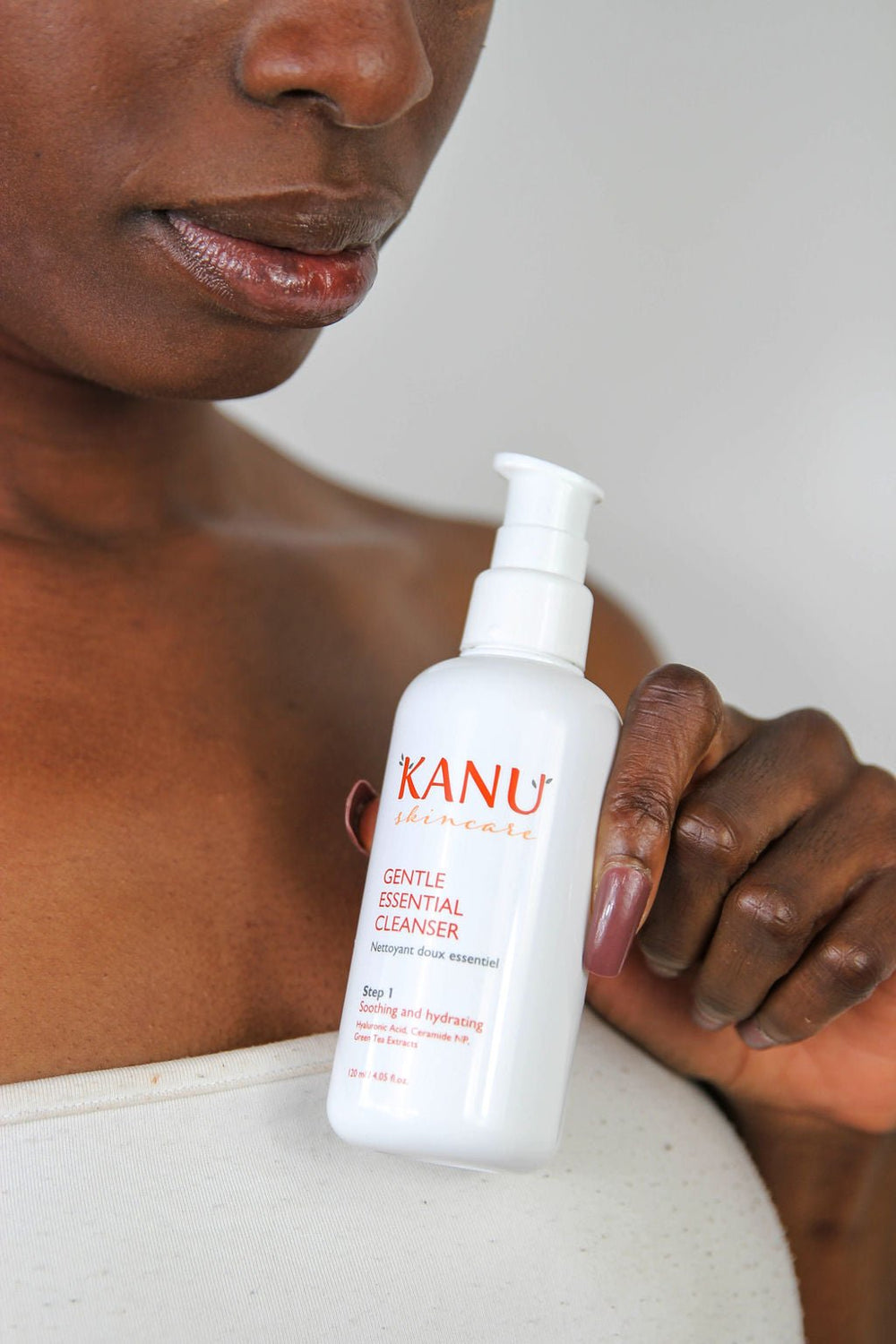
The first step to limiting keratosis pilaris is to use a gentle cleanser for the face and body. A harsh cleanser strips away the skin's natural lipids, worsening dryness and, consequently, keratin production. By maintaining a optimal pH balance This allows the skin to self-regulate more easily.
2. Targeted exfoliation to unclog pores
The use of active ingredients such as salicylic acid or flower acids helps dissolve keratin plugs without irritation. If you have dark spots left by old grains, applying a essential brightening serum is a fundamental step. This type of treatment helps to even out skin tone by inhibiting melanin synthesis in plump areas.
3. Hydration: the key to success
Dehydrated skin is skin that produces more keratin to protect itself. Daily application of moisturizing face cream or a body lotion rich in humectants helps to soften the grains and make the skin more supple.
| Routine step | Recommended product | Main action |
| Cleaning | Gentle Essential Cleanser | Purifies without drying |
| Treatment | Anti-blemish serum | Smoothes and evens out the complexion |
| Protection | Daily moisturizer | Seals in moisture |
| Complete Kit | Kanu Essential Kit | Comprehensive blemish treatment |
Managing hyperpigmentation associated with keratosis pilaris
One of the biggest challenges for dark skin lies in managing pigmentation scars. Keratosis pilaris, by creating constant micro-inflammation, promotes the appearance of melasma or brown spots .
To avoid this, it's essential never to try to "prick" or scratch the small grains. This will only worsen the hyperpigmentation problem. Instead, focus on active ingredients that promote cell renewal. If you're wondering whether a peeling on black skin is a good idea, the answer is yes, provided that it is formulated in a non-irritating way so as not to traumatize the melanocytes.
Additional tips for dark skin
-
Avoid excessively hot showers : Scalding water dries out the skin instantly, promoting keratin formation.
-
Protect yourself from the sun : UV rays darken keratosis pilaris spots. Applying a suitable sunscreen is essential to maintain an even complexion.
-
Loose clothing : Excessive friction from tight clothing can irritate affected areas (arms, thighs) and worsen the grainy appearance.


